Secondhand Snap-on Score: What’s Worth Grabbing
If your Snap-on truck is off-route, you can still scratch the itch. I grabbed a clean secondhand mini-haul locally and learned a few do’s and don’ts buying used.
What you’ll get:
- What to look for on used Snap-on ratchets, screwdrivers, and files
- Quick notes on lesser-seen pieces like the speeder and hacksaw
- Simple buy-used checklist to avoid duds
Start with the sure things
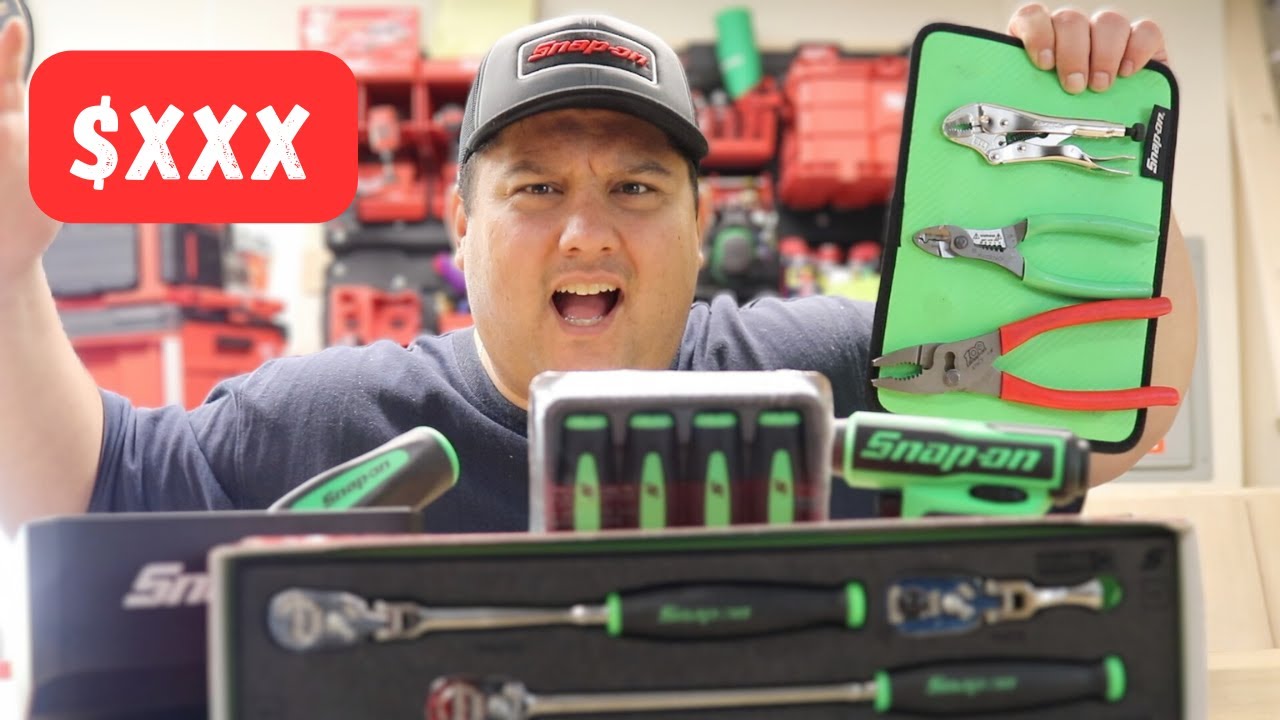
Soft grip ratcheting screwdrivers are workhorses. Check the ratchet action in both directions and confirm the shanks engage crisply. Cosmetic wear is fine; a smooth, positive click isn’t negotiable. Missing bit kits aren’t a deal-breaker if the handle and shanks are solid.
For swivel-head 1/4-in ratchets, verify full rotation, no sloppy detents, and a confident direction selector. Light wear is normal; play at the head pivot isn’t.
Tools & Materials
Files: inspect once, buy once
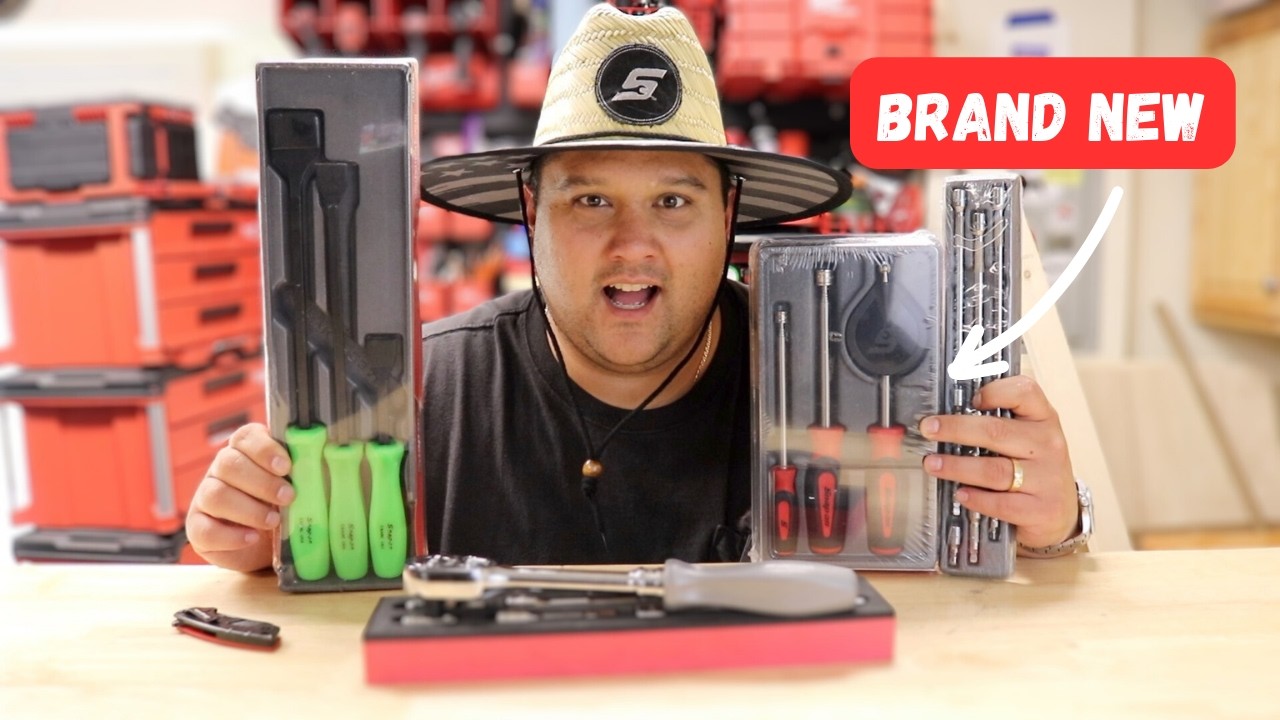
Used files are hit-or-miss. Favor sets with sharp, unworn teeth and intact handles. If a pouch is included, check for corrosion and debris that can dull teeth. Mixed sets cover most shaping tasks; the big win is life left in the cut. If you like matching handles, note color and model consistency across pieces.
Tools & Materials
Grab bag: when to say yes
- Hard-handle flat tips: look for clean tips, square edges, and an un-mushroomed butt end. A little surface rust at the shank cleans up quickly.
- Speeder flex-head ratchets: niche but handy for long fasteners in tight runs. Only buy if the head locks firmly and the gear runs smooth under load.
- Linesman pliers: check cutter alignment, jaw grip, and hinge slop. If there’s a center serration, confirm it’s crisp and not rounded over.
Tools & Materials
Sleeper pick: the hacksaw
A good hacksaw feels planted. Prioritize a solid frame, comfortable grip, and a protected tensioner that won’t snag gloves. Blade swaps should be quick and knuckle-safe. If the included blade looks tired, plan on replacing it—keep the frame.
Tools & Materials
Buy-used checklist
- Function first: ratchet engagement, file teeth, cutter alignment, screwdriver tips
- Play and slop: reject loose pivots and wobbly heads
- Hidden costs: missing bits or worn blades are fine if the core tool is right
- Feel: if it runs smooth and feels confident in hand, it’ll earn its drawer space
Bottom line: secondhand Snap-on can be a win if you buy on function, not shine. Start with proven drivers and ratchets, add specialty pieces when the deal makes sense, and you’ll build a pro-ready kit without the truck stop.