Snap-on vs the Marina: Where’s the Real Rip-Off?
Doing your outboard’s 100-hour service can feel intimidating—especially if the marina quote makes your eyes water. I ran through a Mercury 90hp service with Snap-on tools and a few marine essentials to see what actually matters.
What you’ll get:
- Practical tool choices that prevented headaches
- Where specialty tools save parts—and time
- Notes on workflow for driveway-friendly outboard service
Tools & Materials
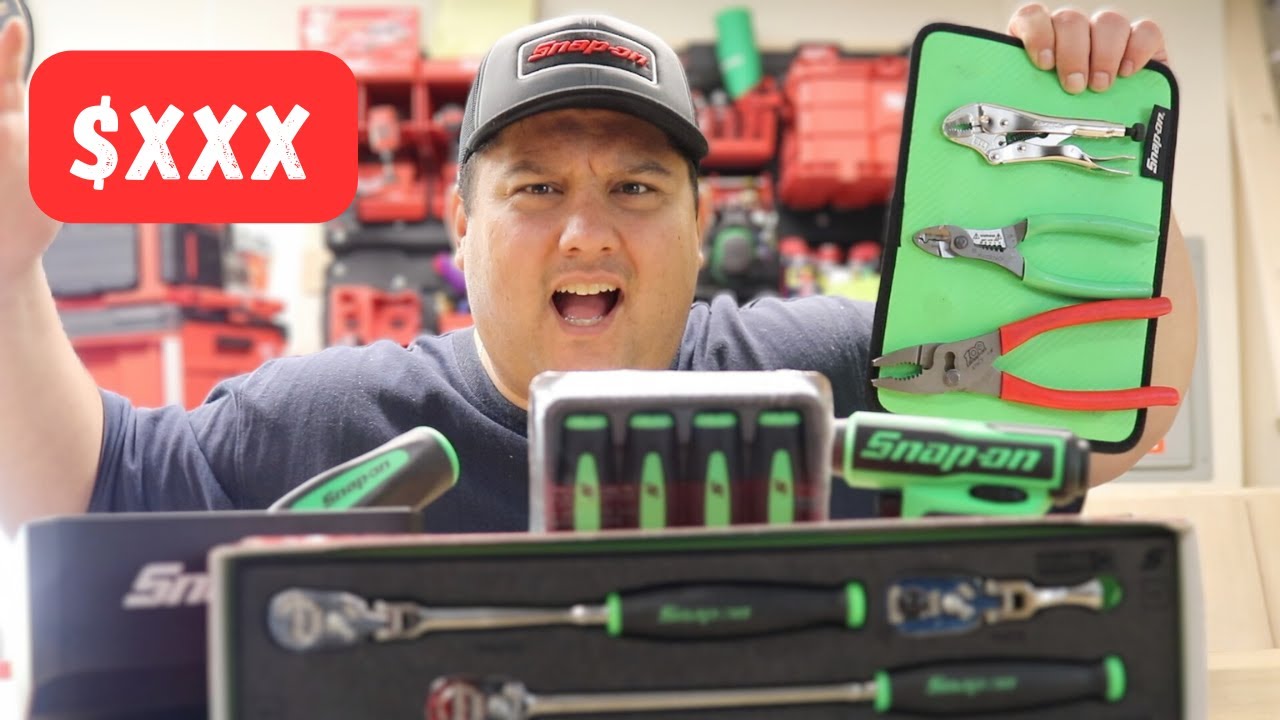
- 🔍 SGD155CG Large Marine Plug Screwdriver (Green)
- 🔍 47ACF 8" Talon Grip™ Combination Slip-Joint Pliers (Red)
- 🔍 103RT05FG 3 pc 1/4" Drive Soft Grip Ratchet Essential Set with PRO-FI™ Organization (Green)
- 🔍 142STMMSYFR1 42 pc 1/4" Drive 6-Point Metric Flank Drive® Socket Set with PRO-FI™ Organization (4–15 mm) (Red)
- 🔍 LN46ACFG 7" Talon Grip™ Long-Nose Slip-Joint Pliers (Green)
- 🔍 SGDMRC103AG 8 pc Ratcheting Soft Grip Screwdriver Set (Green)
- 🔍 ADHW702GK2F 2 pc Wide Mouth Adjustable Wrench Set with PRO-FI™ Organization (Green)
Driveway run-up without drama
SeaSense outboard muffs let you run a water-cooled outboard at home. They sealed well on a Mercury 90hp and the telltale stream confirmed the impeller was pulling water. Verify a snug fit before start-up and watch for a steady stream—no stream, shut down.
An adjustable wrench with smooth jaws is useful for tight plastic hose fittings where pliers might mar the part. It’s overkill for light torque, but preserves the plastic and your knuckles.
Fasteners: pick your battles
A 10 mm fastener shows up during lower unit service; quarter-drive sockets keep things compact. If you’re short on extensions, a ratcheting screwdriver that accepts a socket can stand in and speed removal in tight spots.
For the prop nut and other larger hardware, plan your drive sizes. If you only own 12-point for that prop, note your risk of rounding—six-point is safer when you can choose. Keep the prop washer tabs pinched up with slip-joint pliers so reverse won’t back the nut off.
The specialty that pays for itself
The Snap-on marine plug screwdriver is purpose-built for the wide plug head on lower units. Using an undersized Phillips risks cam-out and a stripped plug, which turns a simple drain into an extraction problem. Right fit here is cheaper than replacing a chewed fastener.
Long-nose slip-joint pliers shine for pulling stuck seals and washers from recesses. Coming in at an angle to lift the edge beats digging with a pick in cramped castings.
Cleaner changes, cleaner battery
For engine oil, loosen the drain just enough and slip 1/2 in ID tubing onto the spigot so oil goes to a catch can, not the midsection. Expect the tube to stay oily inside—hang it to drain rather than trying to perfectly clean it.
An oil filter wrench is still the most reliable way to break a stubborn filter loose. Mark the new filter with date/hours; a simple paint/ink pen works, but test flow on scrap first to avoid smears.
Battery care pays back in fewer gremlins. Clean posts, brush the terminals, then apply a corrosion preventative. Charge before you test anything else—low voltage can mimic bigger problems.
Snap-on vs. the marina
The marina wanted a premium for an oil change alone. Doing the full annual with the right tools wasn’t just doable—it avoided damaged fasteners and messy rework. Specialty where it counts; basic, clean technique everywhere else.
Final takeaway: If you’re comfortable turning wrenches, a focused kit—especially that marine plug driver and good pliers—makes the Mercury 90hp annual a solid DIY. Keep the muffs snug, control the oil, and don’t skimp on terminal cleaning.